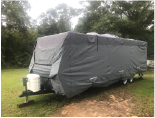
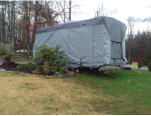
National Covers Official Site
  Google Top Quality Store
.png)

The most common issues that camper owners experience are leaks from rain, storm damage, or winter storage. Meanwhile, the exterior continues to get damaged by the sun every day. In fact, roof sealants, decals, rubber trim, and fiberglass surfaces all degrade over time with the sun's UV rays, long before many owners notice the issue. When cracking or oxidation is apparent, repairs can be costly and may be irreversible.
Outdoor campers are constantly exposed throughout the year to many hours of heat across the roof, sidewalls, vents, and windows, particularly in open parking areas without shade. After a few years outside, even newer RVs can appear to be faded and worn.
Experienced RV owners typically prefer to take preventive measures rather than wait for a problem to become apparent. A proper storage plan, routine checks, and appropriate camper covers help to minimize wear and keep exterior materials in good condition for the long term.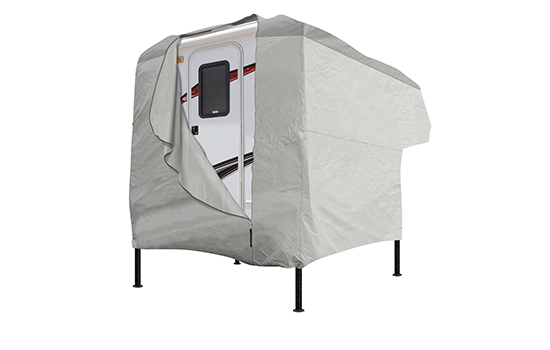
What UV Damage Does to a Camper
Ultraviolet radiation breaks down exterior materials gradually. The damage may not look serious in the beginning, but constant exposure weakens surfaces month after month.
Common signs of UV damage include:
- Faded graphics and paint
- Dry or cracked roof sealants
- Chalky fiberglass surfaces
- Brittle window trim
- Cracked vent covers
- Premature roof membrane wear
- Discoloration around edges and seams
Once protective coatings begin deteriorating, moisture intrusion becomes more likely. Small gaps around roof seams or vents can eventually allow water inside during storms or seasonal weather changes. What starts as surface fading can later turn into roof repairs or interior water damage.
Campers parked in southern states, desert climates, or large open storage lots usually experience faster deterioration because higher temperatures increase surface stress throughout the year.
Why Basic Tarps Usually Create More Problems
Many first-time owners try to protect their camper with a standard tarp from a hardware store. While that may seem cheaper initially, it often causes more damage during long-term storage.
Plastic tarps trap heat and moisture underneath instead of allowing airflow around the camper exterior. During temperature changes, condensation builds below the tarp and creates damp conditions against the roof and sidewalls. Over time, trapped moisture can contribute to mildew, staining, and material breakdown.
Loose tarps also move constantly in windy conditions. That movement creates friction against graphics, corners, gutters, and painted surfaces. After months of outdoor exposure, rubbing from a poorly secured tarp can leave visible wear marks across the camper's body.
This is why breathable camper covers are important for long-term outdoor storage. Proper airflow helps release trapped heat and moisture while still reducing direct UV exposure.
Features to Look for in Camper Covers
Not every cover is built for extended outdoor storage. Some are designed for temporary use, while others are engineered specifically for year-round protection.
When comparing camper covers, focus on practical construction features instead of oversized marketing claims.
Multi-Layer Fabric
Multi-layer materials hold up better against prolonged sunlight and changing weather conditions. They also provide better durability during heavy wind or seasonal storms.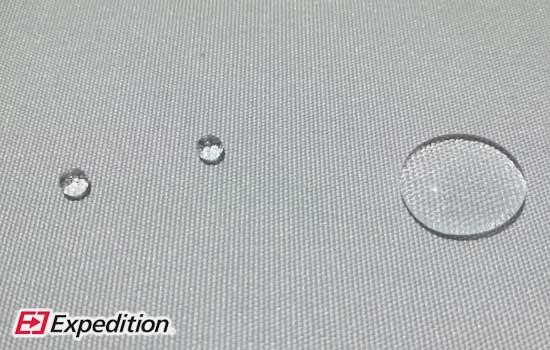
Reinforced Roof Panels
The roof receives the highest amount of direct sunlight during storage. Reinforced roof sections help reduce wear across vulnerable areas exposed to constant heat.
Ventilation Systems
Built-in vents improve airflow underneath the cover and reduce trapped humidity during humid weather or sudden temperature changes.
Adjustable Straps and Elastic Corners
A secure fit matters during outdoor storage. Loose covers shift during strong winds and create unnecessary friction against exterior surfaces.
UV-Resistant Materials
Quality fabrics are designed to slow UV penetration and reduce fading across exposed areas of the camper.
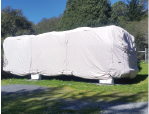
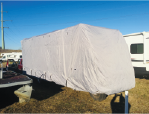
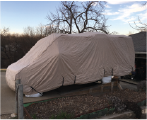
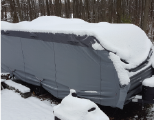
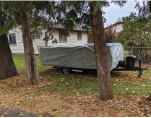
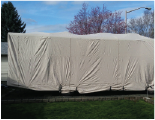
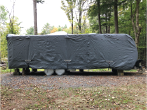
Several travel trailer covers available through National RV Covers include breathable fabric systems, reinforced roof protection, zippered access panels, waterproof construction, and UV-resistant materials designed for outdoor storage conditions.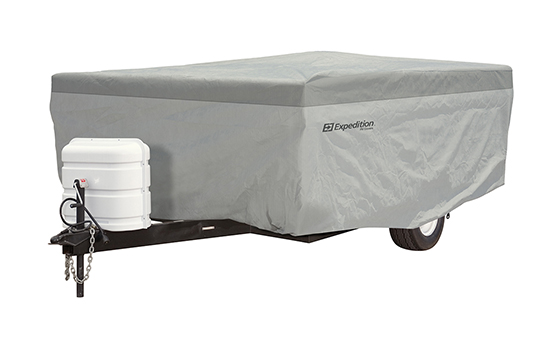
Storage Habits That Help Reduce UV Damage
Use these storage tips to minimize UV damage:
Wash the Camper Before Storage
Dust, pollen, bird droppings, and tree sap are more difficult to remove after spending months in direct sunlight. Exterior cleaning prior to storage will help preserve the paint and graphics.
Inspect Roof Seals Regularly
Seams and sealants on a roof should be inspected seasonally for dryness, cracking, and separation. It is important to catch the small problems early to avoid the bigger problems later.
Use Tire Covers During Long Storage
Additionally, tires are susceptible to UV damage when they are left outside for long periods of time. Tire covers protect tires from cracking due to the constant exposure to heat and sunlight.
Avoid Parking Near Reflective Surfaces
Concrete and light-colored pavement reflect more heat to the camper exterior. Parking in grass or partial shade may help cool surface temperatures.
Let the Camper Dry Before Covering It
Avoid covering a wet camper right after washing. Excess moisture can lead to mildew and condensation under the cover.
Conclusion
Most of the RV owners postpone exterior protection because they see only minor damage at first glance. The problem of a faded decal or dry roof seal may not seem to be an immediate concern in the early stages. Over time, UV exposure will take its toll on appearance, roof condition, seal, and resale value, however.
When it comes to repairing any oxidation, replacing graphics, sealing roof seams, or fixing water intrusion, costs can escalate rapidly. It’s usually much cheaper to protect exterior surfaces before they get damaged.
Reliable camper covers will help minimize direct sunlight exposure, reduce surface wear and tear, and keep sensitive materials safe all year round. When used in conjunction with routine inspections and periodic maintenance, they assist in maintaining campers' cleanliness, strength, and better protection between seasons of use.
If owners are not covering their campers, they will notice the difference after only a few seasons. Roof surfaces remain cleaner, graphics don't begin to fade as fast, and seals maintain good condition as compared to campers left up year-round. Many RV owners have no other choice but to store them outdoors, but long-term UV damage can still be minimized with proper protection. Protection keeps exterior materials looking good, maintains them at a lower cost, and keeps them in place longer.