National Covers Official Site
  Google Top Quality Store
.png)

If you’ve spent time and money maintaining your RV, you already know tires aren’t cheap. They’re one of the most overlooked parts of an RV, yet one of the most expensive to replace. And that’s exactly why most RV owners use tire covers, as they block UV rays, reduce cracking, and help prevent long-term damage. But here’s the part many people forget: tire covers need care too. If you ignore them, they can wear out faster than expected, and you’ll end up replacing them sooner than you planned.
So, if your goal is to protect your tires and make your covers last as long as possible, this guide will help you do exactly that, without overcomplicating things.
Why Cleaning Tire Covers Matters More Than You Think
One might easily guess that tire covers are capable of anything since they are designed to be used outside. Nevertheless, it is dirt, mildew, road dust, pollen, and salty air that erode the fabric gradually. The layers become like sandpaper in the course of time, and the surface is worn, as well as the stitching becomes weak.
If you’ve ever seen RV tire coversgo from smooth and flexible to dry and cracked, the environment, not just age, is to blame. By cleaning them regularly, you help them stay flexible, protective, and weather-resistant.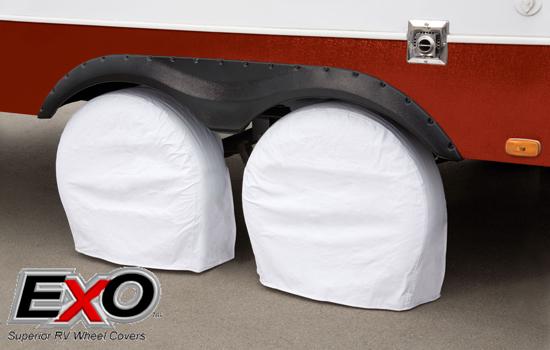
How Often Should You Clean Them?
There isn’t a strict rule, because every RV lifestyle is different. But a realistic baseline is:
- Every 2–3 months during regular outdoor use
- Before long-term storage
- After dusty, muddy, or coastal trips
If the covers look dirty or sticky, that’s a clear sign they need attention.
Step-by-Step: The Right Way to Clean RV Tire Covers
We should divide it into easy steps. Expedient chemicals and pressure washing are not necessary.
You'll just need:
- Mild soap
- Warm water
- A soft cloth or sponge
- A hose
- A towel (optional)
Step 1: Remove the Covers
The very first step is to just take them off. If they feel stuck, loosen the edges instead of pulling hard. This protects straps and elastic.
Step 2: Rinse First
Spray the covers lightly with a hose to knock off loose debris. The preliminary rinsing will ensure that dirt does not grind into the material in the process of cleaning.
Step 3: Wash With Mild Soap
Mix warm water with mild soap. Use of bleach or heavy cleaners should be avoided as they might destroy protective coats.
Wipe RV tire covers in a smooth circular motion with the assistance of a soft cloth. Let the soap lift dirt instead of scrubbing aggressively.
Step 4: Rinse Again
Make sure all soap is removed. Soap residue can trap dirt or leave streaks when dried in the heat.
Step 5: Let Them Dry
Air-drying works best. If possible, dry them in shade to avoid unnecessary sun exposure. If you’re in a hurry, pat them with a towel and let them finish drying naturally.
Should You Condition the Material?
Sometimes, yes. If your RV tire covers are vinyl, they may benefit from a protective treatment every few months. This helps prevent cracking and keeps the surface flexible. Just make sure the product is safe for outdoor protective fabrics, not shiny dashboard spray or tire gloss.
Storing Tire Covers the Right Way
Once your covers are clean and dry, storage matters: maybe more than you’d expect.
Here’s how to store them properly:
- Fold them up, but don’t squeeze them too tight.
- Pick a spot that’s cool and dry.
- Skip anywhere damp, like a garage or a musty closet.
- If you’ve got a storage bag, use it.
Moisture trapped inside folded covers can create mold or musty smells, so drying fully before storage isn’t optional, but it’s essential.
How to Tell When It’s Time to Replace Them
Even with great care, no tire cover lasts forever. So if you’re wondering whether yours are still doing their job, look for signs like:
- Cracking or peeling
- Stiffness that wasn’t there before
- Loose or stretched-out elastic
- Holes, thinning fabric, or worn spots
- Fading so severely that the material feels weakened
If any of these show up, the protective performance has probably dropped.
Why Tire Covers Fit and Material Matter
Even the best cleaning routine can’t save a poorly made or poorly fitted cover. Loose covers flap in the wind and wear out faster. Covers made with thin or untreated material can fade quickly or trap moisture.
So, as you clean and inspect your covers, also pay attention to:
- How securely they fit
- Whether they resist water
- How well they block the sun
- Whether they’re holding their shape
Good covers should feel sturdy, not flimsy, and should stay put even in the wind.
A Solid Example of Long-Lasting Protection
If you’re noticing signs of wear or thinking of upgrading, durable covers can make a noticeable difference. The EXO RV Wheel Covers are a great example of a product built for outdoor life. They come as a set of two, slip on quickly, and are made with water-repellent vinyl that includes UV protection. They’re designed for easy use yet built to handle changing weather. Plus, the 3-year warranty adds reassurance that they’re made to last, not just survive one season.
Final Thoughts
RV tire covers protect your tires, but they need a little help along the way. A quick cleaning routine, proper storage, and occasional conditioning can extend their life significantly. The goal isn’t perfection, but it’s consistency. The more you care for the covers, the more they care for your tires.
So take a few minutes and rinse, wash, dry, and store them properly. It’s a small habit with a long-term payoff.
And when you need to replace old covers or even when you are purchasing your first set, you will have a choice of covers that are tough and can withstand the weather, such as the EXO RV Wheel Covers, which are offered by National RV Coversat a reasonable price.
FAQs
Q1. Can I pressure wash my tire covers?
It is not advisable as high pressure may ruin seams, coats, or surface material.
Q2. What’s the best way to dry tire covers after cleaning?
Air-dry them in shade. Do not place them in any heat source or direct bright sunlight when drying.
Q3. Are vinyl tire covers better than fabric ones?
Vinyl covers are more resistant to the sun and harsh weather conditions. Certain fabrics might appear a little fancy or soft, of course, but they are not so durable in the outside. Ultimately, that is actually up to your climate and where your tires are stored.
Q4. Can tire covers be left on year-round?
Yes, provided they remain clean, dry, and firmly fitted.
Q5. Do tire covers help during winter storage?
Definitely. They shield your tires from water, freezing temps, and road salt.