National Covers Official Site
  Google Top Quality Store
.png)

If you’ve ever lifted the roof of your pop-up camper after a few months and spotted fading, water streaks, or cracks around the seams, you know how fast the weather can work against you. Pop-up campers are great because they’re light and easy to tow, but that also means the materials on the outside need a little more protection. That’s where a good pop-up camper cover comes in.
The problem is that covers look similar online, the specs feel confusing, and it’s tough to know what truly matters. So instead of throwing a dozen buzzwords at you, here’s a clear, practical guide that walks you through how to choose a cover that actually fits your camper and protects it properly.
What to Look For When Choosing a Pop-Up Camper Cover
1. Know Your Exact Camper Size
This is the step most people rush through, and it’s where problems start. A cover only works if it fits the camper correctly: too big and it flaps, too tight and it tears.
You’ll need three measurements:
Length
- Measure from the back bumper to the front end of the camper.
- Do not include the hitch; this is a common mistake.
Width
- Measure the widest point of the camper body.
Height
- Measure from the ground to the top of the roof (not including AC units unless your cover range accounts for it).
When you compare your measurements with a cover size chart, choose the range your camper fits into, not the next size up. A proper popup camper cover should wrap snugly without stretching or hanging.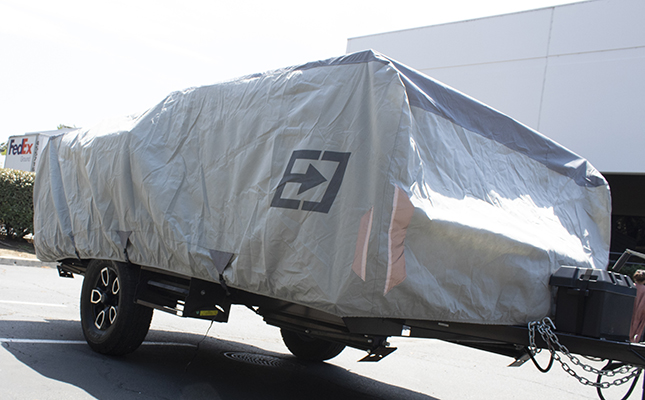
2. Match the Cover to Your Storage Conditions
Where your camper sits for most of the year should guide your buying decision. Covers aren’t one-size-fits-all when it comes to weather.
If a lot of sun hits your camper:
Choose a cover with a high UV rating. UV rays dry out vinyl, fade paint, and break down stitching. Without UV protection, even a waterproof cover won’t help much.
If you live where it rains often:
You need a waterproof top layer and breathable side panels. Waterproof alone can trap humidity under the cover, and that’s what leads to mildew. Breathability matters more than people realize.
If snow is a concern:
Go for a marine-grade roof or multi-layer top panel. Snow gets heavy. Lighter covers sag or tear under weight.
If wind is common:
Look for:
- Vents that reduce ballooning
- Strong straps that run under the camper
- Reinforced corners
Wind is the number one reason cheap covers rip early. Once you match your cover to your climate, you’ll notice immediately that it performs better and lasts longer.
3. Look at Materials First, Not Marketing
Different fabrics give you different results. Here’s what the specs actually mean in real life:
Polypropylene (common in budget covers)
- Decent water resistance
- Not ideal for long-term sun exposure
- Best for indoor or light outdoor storage
Polyester or woven blends
- Better UV protection
- Last longer in direct sunlight
- Good all-season option for most users
Marine-grade fabrics (like Marinex)
- Highest durability
- Handles sun, snow, and heavy rain
- Great for people who store their camper outdoors year-round
If you want a cover that holds up season after season, marine-grade fabric is worth the price. If you only need casual protection, polypropylene can work, but don’t expect it to last several years.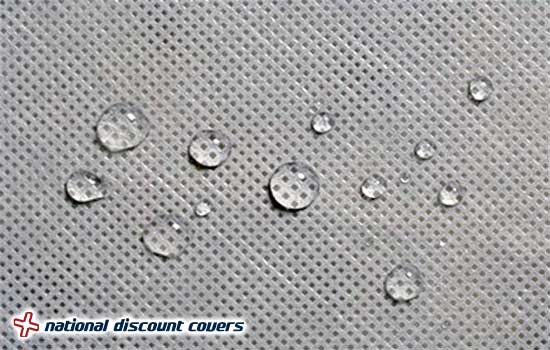
4. Prioritize Features That Actually Make a Difference
Many product pages list long features that sound impressive but won’t matter once the cover is on your camper. These are the ones that do matter:
Waterproof roof
The roof is where 90% of water sits, so it needs the strongest protection.
Ventilation
Look for vents positioned along the sides. They reduce condensation and prevent the cover from puffing up in the wind.
Reinforced corners
Covers often fail at corners because they’re pulled tight around sharp edges.
Zippered panels
These make it easy to access the door or storage compartments without removing the entire cover.
Underbody straps
Covers should have straps that run underneath the camper to hold everything in place.
Elastic hems
These help the cover contour to the camper instead of hanging or dragging.
If a cover is missing one of these key features, you’ll feel it when the weather tests it.
5. Understand the Three Protection Levels
Most covers fall into one of three groups. Knowing what you actually need saves you money and frustration.
Basic (Budget) Covers
- Best for mild weather
- Minimal UV protection
- Good for garages or short-term storage
Mid-Range Covers
- Stronger waterproofing
- Better stitching and vents
- Perfect for individuals who keep a portion of the year out-of-doors.
Premium Covers
- Marine-grade materials
- Highest UV and water protection
- Built for long-term outdoor storage and harsh climates
When your camper is sitting out all year round, premium is worth it. Mid-range is normally sufficient, in the event that it is covered.
6. Pay Attention to Warranty Length
Warranty is one of the easiest ways to judge material quality without actually touching the cover. A longer warranty usually means:
- The stitching is stronger
- The fabric won’t break down quickly
- The company trusts the durability
Two-year warranties are standard for basic covers. While three to five years is common for premium covers. If a brand doesn’t offer at least two years, it’s usually a sign the fabric won’t last.
7. Install the Cover Correctly
You’ll get more life out of your cover if you install it the right way.
Here’s a simple checklist:
- Clean the camper first, so dirt doesn’t rub the finish
- Let the camper dry, because moisture causes mildew under any cover
- Place padding on sharp corners if needed
- Pull the cover down evenly, don’t yank one side
- Tighten straps so the cover doesn’t shift
- Check the cover after big storms
These steps take minutes but extend the life of the cover significantly.
Final Thoughts
A good popup camper cover helps your camper last longer, saves you money on repairs, and makes storage way less stressful. The trick is choosing one that fits properly, matches your climate, and uses materials built for real outdoor conditions. Once you focus on those basics, picking the right cover becomes much easier.
And if you want options that clearly show the difference between basic protection, mid-range performance, and premium marine-grade durability, the selections fromNational RV Covers make comparing features and choosing the right fit straightforward.
FAQs
Q1. Should I buy a waterproof or water-resistant cover?
Go waterproof if your camper sits outside. Water-resistant covers can handle light moisture, but waterproof roofs offer better protection during storms or long rainy seasons.
Q2. Do I need ventilation in a pop-up camper cover?
Yes. Vents help moisture escape and stop the cover from ballooning in the wind. Without vents, you’re more likely to deal with mildew under the cover.
Q3. Can a pop-up RV cover stay on during winter?
If it’s a mid-range or premium cover with reinforced fabric, yes. Lighter covers aren’t built for snow weight and may tear.
Q4. Will a camper cover scratch the exterior?
Not if the camper is clean before covering it. Dirt and grit cause scratching, not the cover itself. Wipe the camper down first, and you’re good.
Q5. How long should a good pop-up camper cover last?
A quality cover usually lasts 2–5 years, depending on fabric, climate, and care. Marine-grade covers last the longest.