National Covers Official Site
  Google Top Quality Store
.png)

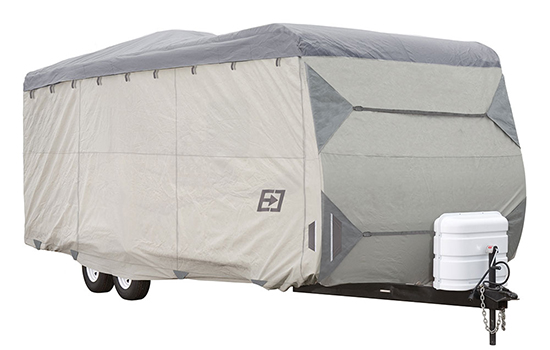
Travel trailer covers are often considered the first line of protection between your RV and everything nature tosses at it. Over time, Sun. Rain. Wind-blown grit counts up. Without a quality cover, faded paint, cracked seals, and worn-out finishes can sneak up faster than expected. This is why choosing the right travel trailer covers isn’t just about storage, but it’s about safeguarding your investment and keeping your RV road-ready for years.
If you’ve ever pulled off a cover and witnessed mildew smells, scuffed corners, or brittle fabric, you’re not alone. Most RV owners learn the hard way that how a cover is used and stored matters just as much as the cover itself. Consequently, in today’s blog, we will discuss what experienced RV owners wish they knew earlier, so you can avoid common mistakes and get more life out of your RV trailer covers.
Why Proper Off-Season Storage Matters for Travel Trailer Cover
Off-season storage can slowly make or break the performance of your cover. Leaving it tumbled in a damp corner can invite mildew, weakened seams, and fabric breakdown. Storing it in a clean, dry, and supported condition will make it ready for next season to protect against every condition.
In these conditions, moisture becomes an enemy. Trapped humidity breeds mold and eats away coatings. Heat and UV exposure can also degrade fibers when covers are left uncovered in garages or sheds with direct sunlight. Even friction matters; sharp folds and compressed buckles stress high-wear areas. Premium materials in travel trailer covers are created to endure when owners store them properly. Do the same for your RV trailer covers, and you’ll extend their lifespan, preserve waterproofing, and keep them fit. Brands like National RV Covers engineer durability into their covers, and smart storage lets that durability pay off season after season.
Right Way to Prep Travel Trailer Cover Before Packing It Away
The way you prepare your cover before storage determines how well it protects your RV each season. A few minutes of care can save you from future mold, fabric damage, and early replacement afterward.
Clean off salt, dirt, and debris
Road grime, tree sap, and coastal deposition can stain fabric and damage protective coatings if left to sit.Use mild soap only
Mild cleaners protect the waterproofing and UV inhibitors. Whereas harsh chemicals do the opposite.Dry the cover completely
Trapped moisture invites mold and mildew. Allow both sides to air-dry before storage.Inspect seams and high-wear areas
Corners, straps, and stitching take the most damage. Catch small? problems early so you won’t have big repairs down the road.Never fold or store it damp
Odors, fabric rot, and premature failure can result from even a slight dampness.
Smart Folding Techniques That Prevent Creases & Weak Spots
The way a cover is stored can either save the fabric or slowly damage it over time. Poor folding creates pressure points that cause cracks, worn patches, and stretched seams every season.
Avoid tight folds
Coated fabrics show off sharp creases and can cause fibers to break down at points that are folded over each other again and again.Roll when possible
Rolling eliminates the harsh tension lines, returning the material to a more natural shape.Fold along seams
Natural seam lines handle bending better than flat panels.Keep buckles off fabric
Metal and plastic hardware can imprint or scratch the cover when pressed into the material.
How Proper Storage Extends the Life of Your RV Cover
Good storage practices don’t just protect the cover, but they also guard the gadget underneath. Which is why treating storage as a part of routine care can save you from costly future repairs.
Here’s how it extends RV cover life:
Prevents mold and mildew
Dry, breathable storage prevents moisture from entering the fabric and taking up residence as odors or stains.Protects coatings
UV-resistant and waterproof coatings are more durable when covers aren’t crushed, overheated, or left damp.Reduces fabric wear
Proper folding and proper placement prevent pressure points that lead to tears and thinning.Keeps the cover usable longer
Covers stored well fit better, go on faster, and don’t feel brittle when pulled out next season.Helps preserve boat value
A well-secured RV holds its finish, seals, and trim with less sun fade, fewer cracks, and fewer repairs.