National Covers Official Site
  Google Top Quality Store
.png)

Your RV might be parked and quiet, but your tires are not getting any rest. Day after day, the sun hits them, heat builds up, moisture settles in, and dust slowly wears them down. Most people don’t think about this until they see cracks or fading and realize the tires have aged faster than expected. That’s usually when regret kicks in. RV wheel covers for storage help you avoid that moment.
This guide keeps things simple. No complexity, just useful advice you can actually apply.
Why RV Wheel Covers Matter When Your RV Is Parked
When an RV sits still, its tires take more damage than many owners realize. Sunlight dries out rubber. Heat weakens sidewalls. Rain and humidity sneak into tiny gaps. Over time, this leads to dry rot, cracking, and shorter tire life.
RV wheel covers block those problems before they start. They create a barrier between your tires and the elements. If your RV is stored outdoors, even for a few months at a time, wheel covers aren’t a bonus add-on. They’re basic protection.
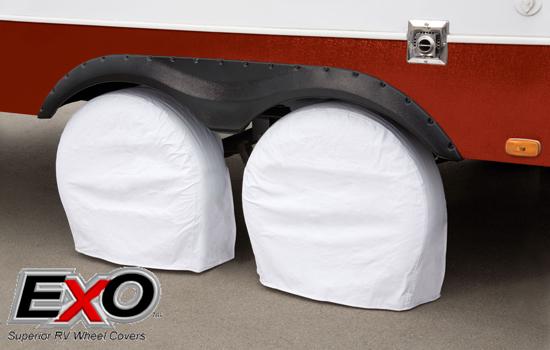
How to Measure RV Wheel Covers the Right Way
Sizing mistakes are common, and they often occur because people rush through this step. The fix is easy if you slow down for a minute.
Don’t measure just the rim, because that won’t help. Measure the full tire diameter. Start on the ground, go over the top of the tire, and go back down to the ground. That number is what matters.
A properly sized cover should slide on without a fight and sit snug once it’s in place. If it’s loose, sunlight gets in. If it’s too tight, it’s frustrating to use and may tear over time. When the size is right, the cover stays put and does its job quietly.
Picking the Right Material for Storage Conditions
Material choice matters more than color or looks. This is where long-term protection really starts. Vinyl wheel covers are popular because they work. They repel water, block sunlight, and hold their shape through changing weather. Good vinyl doesn’t crack after a season or fade into uselessness.
Marine-grade fabrics are another solid option. These fabrics are designed to endure adverse external weather, such as heat and moisture. They are commonly utilized in high-end RV covers, and that speaks volumes about their quality.
The thin fabric covers may be cheaper, yet they do not last in most cases. They wear out more easily and expose your tires at the most unexpected moment.
Fit Style Makes Daily Use Easier
Nobody wants to wrestle with wheel covers every time the RV gets parked. That’s why fit and style matter. Slip-on designs are the easiest to live with. You pull them on, adjust slightly, and you’re done. No straps to tangle, no tools to grab, and no frustration.
Well-designed covers keep their shape, which helps them stay secure during windy days. A snug fit also means full coverage, and full coverage is what keeps UV rays off your tires.
How Many Wheel Covers Do You Actually Need
This depends on your RV setup. Single-axle trailers usually need one set of two covers. Larger RVs with multiple axles may need four or more.
Some owners start with one set and add more later. That works fine as long as every tire exposed to the sun and weather gets covered. Leaving even one tire uncovered defeats the purpose.
Climate Plays a Bigger Role Than You Think
Storage location changes everything. Hot climates demand strong UV protection. Areas prone to rain require waterproof covers that dry fast. Areas near the coast bring salt air to the mix, which may accelerate wear.
Cold climates bring their own issues. Freezing temperatures and moisture can cause cracking when tires sit unprotected. Wheel covers help reduce that stress by keeping conditions more stable around the tire. No matter where you store your RV, uncovered tires age faster. It’s that simple.
Simple Maintenance That Makes Covers Last Longer
RV wheel covers don’t need much attention, but ignoring them completely isn’t smart either. Clean them now and then with mild soap and water. Dirt buildup can weaken materials over time. Always let them dry before putting them back on.
Check seams and edges after storms or high winds. If you catch wear early, you can replace a cover before your tires pay the price.
Why Quality and Warranty Matter
Cheap wheel covers often look fine at first. The problem shows up months later when seams split or material thins out. At that point, your tires are exposed again.
Quality covers usually come with longer warranties for a reason. It shows confidence in the material and construction. Spending a little more upfront often saves you from replacing expensive RV tires too soon.
Final Thoughts
Tire protection for your RV does not involve any complex procedure or equipment. It all depends on the size, selection of wearable materials, and fall of the covers that fit and stay in position. Once you have those basics, wheel covers will help extend tire life in silence as your RV awaits its next outing.
If you’re looking for dependable options built for real storage conditions, National RV Coversoffers RV wheel covers designed to handle sun, weather, and long-term outdoor exposure without the guesswork.